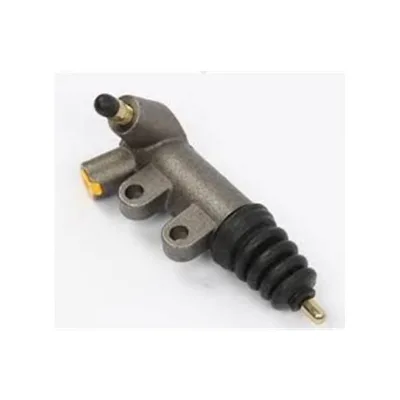
Source Central Slave Cylinder for Brake Systems and Trucks
Find 30 verified listings for the central slave cylinder suitable for heavy-duty trucks, metal processing machinery, and brake systems. Buyers can compare specifications, pricing, and customization options from global suppliers offering ISO-certified products; compare the available evidence and request quotations based on your requirements.
Key considerations
Products List




Comprehensive Sourcing Guide
Central Slave Cylinder Sourcing Guide
Procuring a central slave cylinder requires a disciplined approach to technical verification and supplier qualification, particularly when sourcing from international markets. Buyers must recognize that this component serves as a critical interface in hydraulic clutch systems, translating master cylinder pressure into mechanical actuation. The observed market data indicates a wide variance in product specifications, with models ranging from heavy-duty truck applications to specialized metal processing machinery parts. This diversity necessitates a rigorous evaluation process to ensure that the selected unit aligns precisely with the vehicle’s or machine’s operational requirements.
The sourcing landscape is characterized by significant customization options and varied delivery terms, reflecting the fragmented nature of the global supply chain. Suppliers often offer OEM and ODM services, allowing for tailored solutions that meet specific dimensional and performance criteria. However, this flexibility introduces complexity in quality assurance, as buyers must navigate different certification standards and testing protocols. Understanding these nuances is essential for mitigating risk and ensuring that the procured components deliver reliable performance throughout their intended service life.
Product Scope and Observed Listing Signals
The current market listings reveal a broad spectrum of product attributes, including materials such as steel and classifications like wheel cylinders and friction clutches. Observed models include specific identifiers such as s23032301 and 3182 998 501, indicating a mix of generic and part-specific offerings. Buyers should note that some listings reference applications for heavy-duty trucks and Ford vehicle models, suggesting a focus on automotive replacement and industrial maintenance sectors. This variety underscores the importance of matching the specific cylinder type to the intended application to avoid functional mismatches.
Pricing and minimum order quantities (MOQ) vary considerably, with observed prices ranging from nominal values to high-end industrial costs and MOQs spanning from single units to hundreds. This disparity often correlates with the level of customization, material quality, and packaging requirements, such as plywood cases or standard cartons. Buyers must carefully assess whether the listed price includes necessary testing and certification, as some suppliers may offer lower base prices while charging separately for quality assurance processes. Understanding these commercial signals helps in budgeting accurately and selecting suppliers who align with the project’s scale and quality expectations.
Technical Specifications to Verify
Verifying technical specifications is paramount when sourcing central slave cylinders, as minor deviations can lead to system failure. Buyers should confirm critical dimensions, such as inner diameter, which may be specified in millimeters, and ensure compatibility with existing master cylinder designs. The stroke length, whether two-stroke or four-stroke configurations, must match the actuation requirements of the target machinery. Additionally, the working mode, such as power combining or linkage states, should be validated against the operational dynamics of the vehicle or equipment to ensure seamless integration and performance.
Material composition and construction quality are equally vital, with steel being a common material for durability and strength. Buyers must verify that the cylinder’s internal components are resistant to wear and corrosion, especially in harsh operating environments. It is also essential to check the compatibility with specific fuel types or hydraulic fluids, as some listings mention diesel or water-based raw materials, which may indicate specialized applications. Confirming these technical details through detailed drawings or samples can prevent costly rework and ensure that the procured cylinders meet the precise engineering standards required for reliable operation.
Compliance and Safety Documentation
Compliance with international standards is a critical factor in the procurement of hydraulic components, ensuring safety and regulatory adherence. Buyers should request documentation confirming that the products meet relevant quality management standards, such as ISO certifications, which indicate a structured approach to manufacturing and quality control. While specific standards like GB or KZISZ-3 may be referenced in some listings, buyers must verify their applicability to their local market and industry regulations. This verification process helps in avoiding legal liabilities and ensures that the components are suitable for their intended use in various global markets.
Safety documentation should also include test results and quality assurance reports, as some suppliers claim 100% testing before shipment. Buyers should inquire about the specific tests conducted, such as pressure testing or leak detection, to ensure the cylinders can withstand operational stresses. Additionally, understanding the supplier’s quality level and their approach to defect management is crucial for maintaining long-term reliability. By prioritizing suppliers with robust compliance frameworks, buyers can mitigate risks associated with product failures and ensure that their procurement activities align with industry best practices and safety standards.
Cost Drivers and Commercial Terms
Several factors influence the total cost of ownership for central slave cylinders, including material costs, manufacturing complexity, and customization requirements. Buyers should consider the impact of packaging options, such as plywood cases or OEM packaging, on shipping costs and product protection during transit. The choice of delivery terms, such as EXW, FOB, or CIF, also affects the final price, as it determines who bears the risk and cost of transportation. Understanding these commercial terms allows buyers to negotiate more effectively and allocate resources efficiently across the supply chain.
Payment terms and lead times are additional cost drivers that require careful consideration. Suppliers may offer various payment methods, including T/T, L/C, or Western Union, each with different implications for cash flow and security. Lead times, which can range from standard periods to expedited services, impact inventory management and production scheduling. Buyers should evaluate these factors in conjunction with the unit price to determine the most cost-effective sourcing strategy. By analyzing the full spectrum of commercial terms, buyers can optimize their procurement processes and achieve better value for their investments.
Supplier Qualification and Quality Control
Supplier qualification is a foundational step in ensuring the reliability of sourced central slave cylinders. Buyers should assess suppliers based on their production capabilities, quality control systems, and track record in delivering consistent products. The availability of customization services, such as ODM and OEM, indicates a supplier’s flexibility and ability to meet specific customer requirements. However, buyers must verify that these customization processes do not compromise quality or lead to inconsistencies in product performance. Establishing clear communication channels and technical specifications with suppliers is essential for maintaining quality standards throughout the production process.
Quality control measures, including 100% testing and adherence to strict manufacturing standards, are critical for minimizing defects and ensuring product reliability. Buyers should request evidence of these quality control practices, such as inspection reports or certification documents, to validate the supplier’s claims. Additionally, understanding the supplier’s approach to continuous improvement and customer feedback can provide insights into their commitment to quality. By selecting suppliers with robust quality control systems, buyers can reduce the risk of product failures and enhance the overall performance of their hydraulic systems.
Long-Term Procurement Checks
Long-term procurement success depends on establishing ongoing relationships with suppliers who can consistently deliver high-quality products. Buyers should implement regular performance reviews to assess supplier reliability, delivery times, and product quality over time. This continuous monitoring helps in identifying potential issues early and addressing them before they impact production or operations. Additionally, maintaining open communication with suppliers regarding market changes, technological advancements, and regulatory updates ensures that the procured components remain relevant and compliant with evolving industry standards.
Building a resilient supply chain also involves diversifying suppliers to mitigate risks associated with single-source dependencies. Buyers should evaluate alternative suppliers who can provide comparable quality and service levels, ensuring continuity in case of disruptions. Furthermore, staying informed about industry trends and technological innovations can help buyers anticipate future needs and adapt their procurement strategies accordingly. By focusing on long-term partnerships and strategic supplier management, buyers can achieve greater stability, cost efficiency, and operational excellence in their sourcing of central slave cylinders.
FAQs
How is the central slave cylinder customized for buyers?
The product offers full customization services including OEM and ODM options. Buyers can request specific drawings or requirements for the standard and packing. This ensures the metal processing machinery parts meet exact operational needs while maintaining high quality levels.
What certifications does the central slave cylinder hold?
The product holds ISO certification to ensure quality standards are met. It undergoes 100% testing before delivery to verify performance. This certification applies to the new condition items supplied for metal engraving and cutting machinery applications.
Which lead time applies to central slave cylinder orders?
The standard lead time for these orders is 15 days. Delivery methods include EXW, FOB, CIF, and DDU terms to suit various logistics needs. Buyers can choose shipping by sea, air, train, or express based on urgency.
Can buyers request specific packaging for the central slave cylinder?
Yes, packaging is available as plywood cases or per customer requirements. Some items come in cartons or OEM packaging with one piece per bag. This flexibility allows buyers to protect the steel components during international transport effectively.
What payment methods are accepted for central slave cylinder purchases?
Accepted payment methods include T/T, L/C, Western Union, and Paypal. These options provide flexibility for international transactions involving metal processing machinery parts. Buyers can select the method that best fits their financial workflow and security preferences.
How is the central slave cylinder classified in terms of usage?
It is classified as a brake cylinder suitable for heavy-duty trucks. The working mode involves power combining with a linkage working state. This classification ensures compatibility with specific vehicle brands and fuel types like diesel for optimal performance.
What specifications are available for the central slave cylinder model?
Available specifications include an inner diameter of 60mm and various stroke options. Models range from s23032301 to s23032306 with specific OEM numbers. These details ensure the product fits the required metal cutting machine or brake system.